When to Seek Expert Help: Key Indicators Your Chimney Requires Cleaning: Protect Your Home From Fire Hazards
Chimney upkeep is frequently neglected, however it serves a vital function in household safety. Homeowners should be aware of specific warning signs that indicate a need for professional cleaning. Bad odors, thick smoke, and creosote deposits represent just a handful of telltale signs. Overlooking these warnings can give rise to considerable dangers. Being aware of these threats and knowing when to take action can preserve both property and personal safety. The sections below will examine these important topics in greater detail.
Identifying the Red Flags of Chimney Neglect
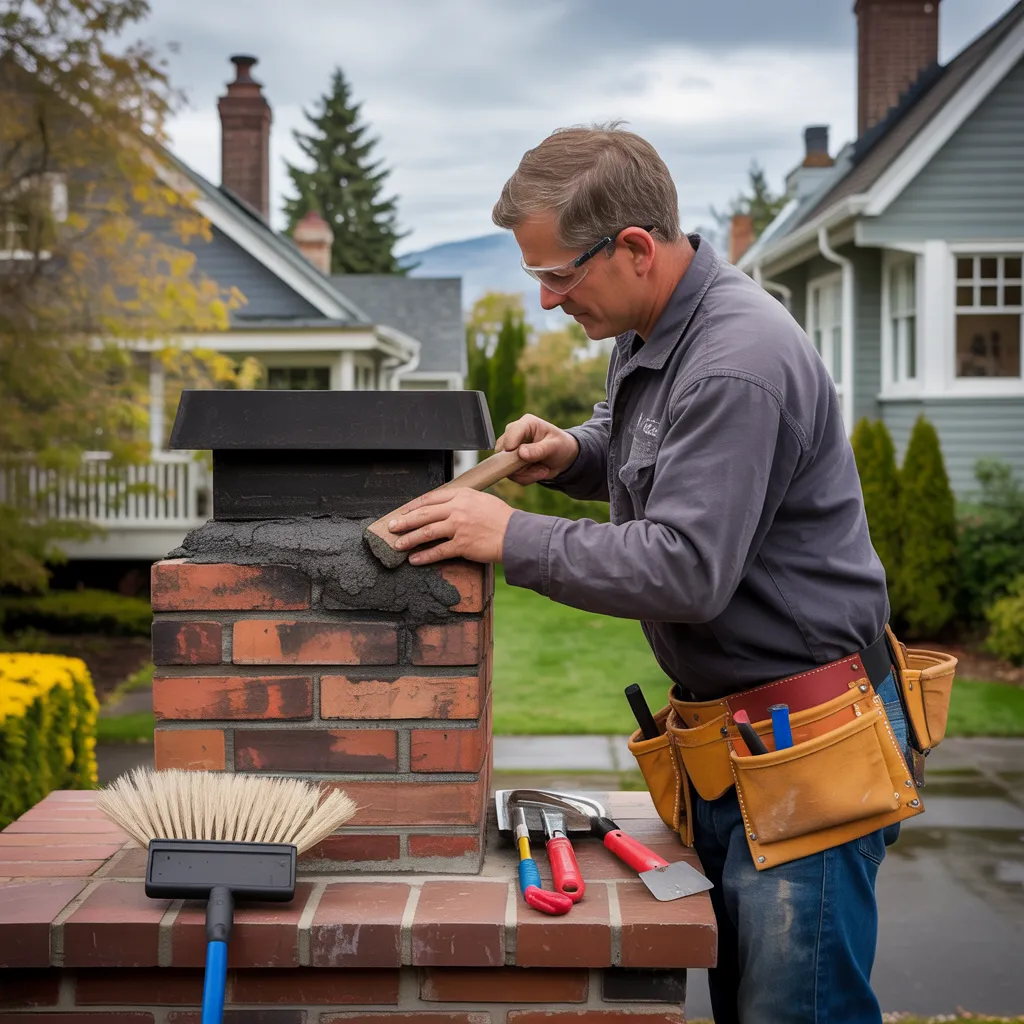
How can homeowners identify the signs of chimney neglect? There are several important warning signs that homeowners should watch for. A significant warning sign is the presence of creosote buildup, which can appear as a black, tar-like substance on the flue walls. Such accumulation forms through regular fireplace use and demands immediate action. Additionally, homeowners might notice a foul odor emanating from the chimney, indicating that debris or animal nests are obstructing airflow. Another red flag is excessive smoke escaping into the living space during a fire, a clear indication of inadequate airflow through the chimney. Cracks or deterioration in the chimney structure itself, such as loose bricks or damaged mortar, can also indicate neglect. Furthermore, a missing or damaged chimney cap leaves the chimney vulnerable to moisture infiltration and debris accumulation, weakening its overall structure. Identifying these warning signs early enables homeowners to act quickly and prevent more significant damage from developing.
The Risks of Ignoring Chimney Maintenance
Neglecting chimney maintenance poses significant risks, with fire hazards being the foremost concern. Built-up soot and combustible debris may catch fire, leading to dangerous chimney fires that threaten entire homes. Additionally, structural damage may occur as weakening components undermine the chimney's stability with age.
Elevated Fire Risks
With time, the gradual buildup of creosote deposits and soot in a chimney can convert a comfortable fireplace into a potentially dangerous fire risk. Creosote, a byproduct of burning wood, is intensely combustible and susceptible to catching fire, leading to chimney fires that may endanger the whole household. Failing to maintain your chimney regularly increases the risk of debris-related blockages, which can cause dangerous smoke and fumes to seep into your home, posing severe risks to your health. Many homeowners fail to recognize the significance of regular chimney cleaning, but even small accumulations can escalate into significant dangers. A comprehensive professional inspection and cleaning can mitigate these risks, ensuring that the fireplace remains a safe source of warmth rather than a potential threat to life and property.
Potential for Structural Damage
Overlooking routine chimney upkeep can cause significant structural deterioration in a home. With time, creosote buildup and clogs can push smoke and gases backward, resulting in heightened pressure throughout the chimney. Such pressure can split or undermine the chimney construction, potentially resulting in substantial repair expenses. In addition, moisture buildup from precipitation can erode brick and mortar, continuously undermining the structure. A overlooked chimney may also permit harmful gases, such as harmful carbon monoxide, to seep into living spaces, creating health hazards. Routine inspections and cleanings assist in detecting problems early, verifying the chimney remains stable and protected. Homeowners must prioritize chimney maintenance to preserve their property and shield against costly structural damage.
How to Prevent Chimney Issues
Routine maintenance can significantly lower the risk of chimney problems. Homeowners should prioritize regular inspections to identify potential problems early, such as creosote buildup or structural damage. Maintaining a clean perimeter free of debris and vegetation can avoid obstructions and ensure adequate airflow. Fitting a chimney cap can offer additional defense against moisture intrusion and animal nesting, preventing more serious problems from developing.
It is furthermore critical to utilize properly seasoned hardwood as fuel, as this variety of wood generates fewer creosote deposits compared to softer woods. Residents should never burn chemically treated wood or household refuse, as these can release harmful chemicals and increase the likelihood of chimney obstructions.
Finally, maintaining a suitable flue size for the stove or fireplace promotes associated resource efficient combustion and limits the possibility of backdraft smoke entering the house. When adhering to these preventative practices, homeowners can substantially reduce the likelihood of chimney-related issues.
How Often Should You Plan Chimney Cleaning?
How often should homeowners arrange chimney cleaning to ensure safety and efficiency? Professionals suggest that homeowners get their chimneys examined and cleaned a minimum of once annually, most importantly if the chimney is utilized on a consistent basis. This yearly upkeep assists in stopping the accumulation of creosote, an extremely combustible material that presents a serious fire risk.
For homeowners who rely on their fireplaces regularly, especially throughout the winter season, more frequent cleanings may be necessary. Property owners should also evaluate factors including the chimney's age and the type of fuel being burned. When a chimney is mainly used for burning wood, regular inspections may be especially wise due to the increased risk of creosote accumulation.
Additionally, property owners should monitor evidence of buildup or damage, which may demand supplementary maintenance. In the end, proactive maintenance confirms a efficient and safe fireplace, reducing fire risks and improving overall household safety.
What Happens During a Chimney Cleaning?
During a professional chimney cleaning, technicians comprehensively inspect and treat any debris buildup present in the chimney system. The procedure commonly commences with an initial visual inspection to locate evidence of creosote buildup, obstructions, or structural issues. With the help of professional equipment, the professional proceeds to eliminate built-up soot, creosote, and unwanted debris, promoting unrestricted airflow while lowering fire-related risks.
The cleaning process typically involves brushes, vacuums, and other equipment used to efficiently clear away deposits and buildup. Specialists may additionally examine the flue system and chimney cap for proper function and integrity. Upon completion of the cleaning, professionals frequently deliver recommendations for maintenance or repairs when problems are detected.
Ultimately, a post-cleaning inspection verifies that the chimney is safe for use, and the technician can supply recommendations on when future cleanings should be arranged. This detailed approach ensures the chimney functions efficiently and safely, keeping the home protected from fire-related dangers.
Hiring Experienced Chimney Cleaning Professionals
To locate reputable services, individuals can gather suggestions from friends, family, or local hardware stores. Customer reviews and ratings on platforms like Google or Yelp can offer valuable information about client experiences. It is wise to request insurance documentation and references before committing to a provider.
Additionally, gathering a number of quotes can help homeowners evaluate fair pricing and examine the quality of multiple companies. When all is said and done, enlisting professional chimney cleaners not only delivers complete cleaning but also defends against dangerous fire hazards, supporting the overall safety of the property.

Questions We Often Receive
Am I Able to Clean My Own Chimney?
Independently cleaning a chimney is achievable, but it demands the right knowledge, appropriate tools, and careful safety measures. Numerous homeowners prefer to hire professional services to ensure comprehensive cleaning and prevent possible risks linked to inadequate maintenance.
What Is the Cost of Professional Chimney Cleaning?
Expert chimney cleaning services generally runs between $100 and $300, influenced by factors like accessibility, geographic location, and the state of the chimney. These expenses are worth factoring in when preparing for regular maintenance and making sure their chimney functions properly and safely.
What Tools Are Needed for Chimney Cleaning?
Cleaning a chimney necessitates specific tools such as a chimney brush, extension rods, a vacuum to collect debris, a drop cloth to protect surroundings, and protective equipment such as protective goggles and gloves to guarantee a safe and effective cleaning process.
Are There Specific Weather Conditions for Chimney Cleaning?
Chimney cleaning works best in calm, dry conditions. Precipitation such as rain or snow can create challenges, while severe temperatures might compromise the performance of maintenance tools. Clear skies guarantee ideal conditions for thorough maintenance and safety.
What Are the Ways to Identify a Qualified Chimney Professional?
To identify a certified chimney expert, individuals should search for certifications from reputable organizations, review online feedback, ask for references, confirm insurance coverage, and guarantee the professional has substantial experience in chimney upkeep and cleaning.